
Case study · Bertelsmann Foundation and PERIL (American University) · 2020
A film that changed what its viewers thought
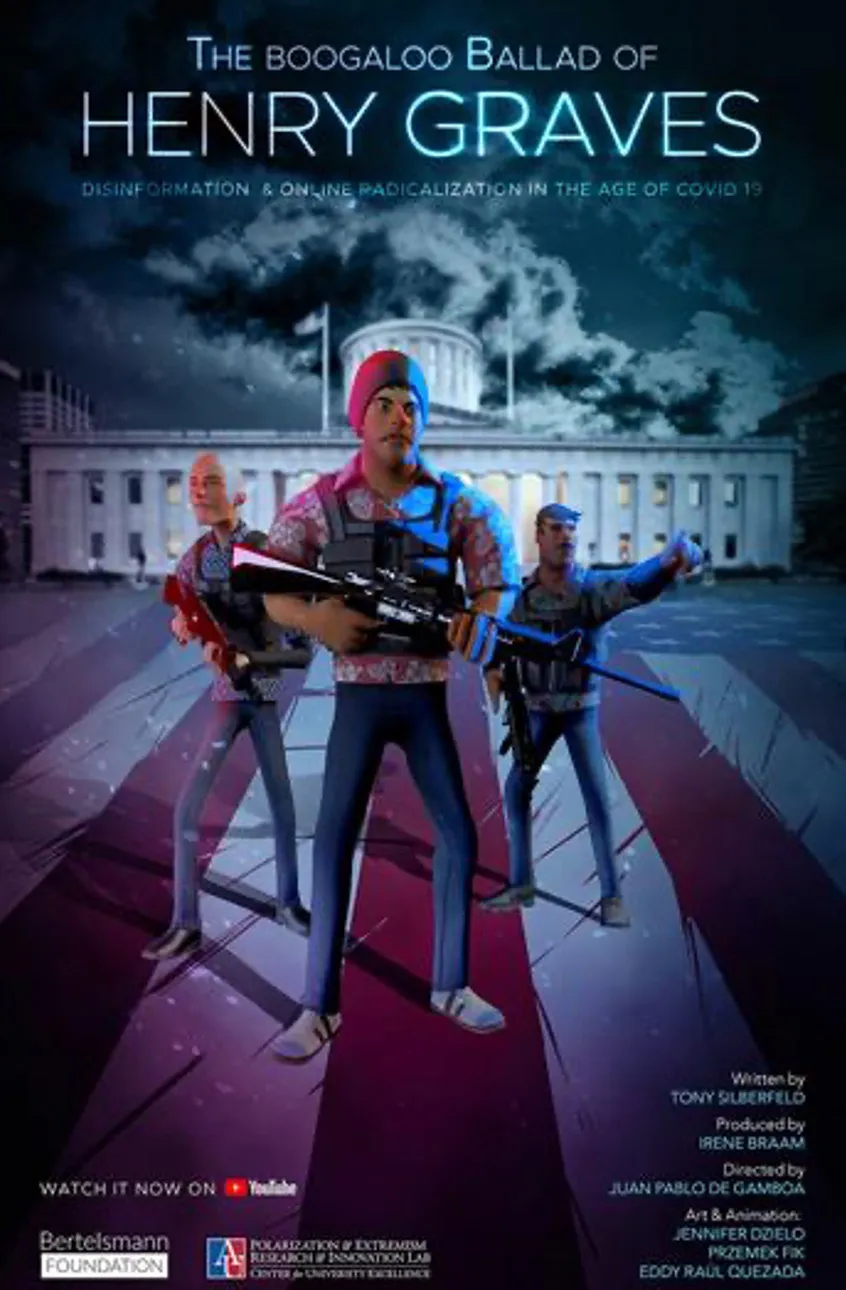
Eleven minutes of animation about how an ordinary man is radicalized online during the pandemic. Then a study with 512 people measured its effect.
512
U.S. adults watched the full film and took the same survey before and after
−0.54
points of agreement with “citizens need to take matters into their own hands to protect democracy” (1–7 scale)
11:34
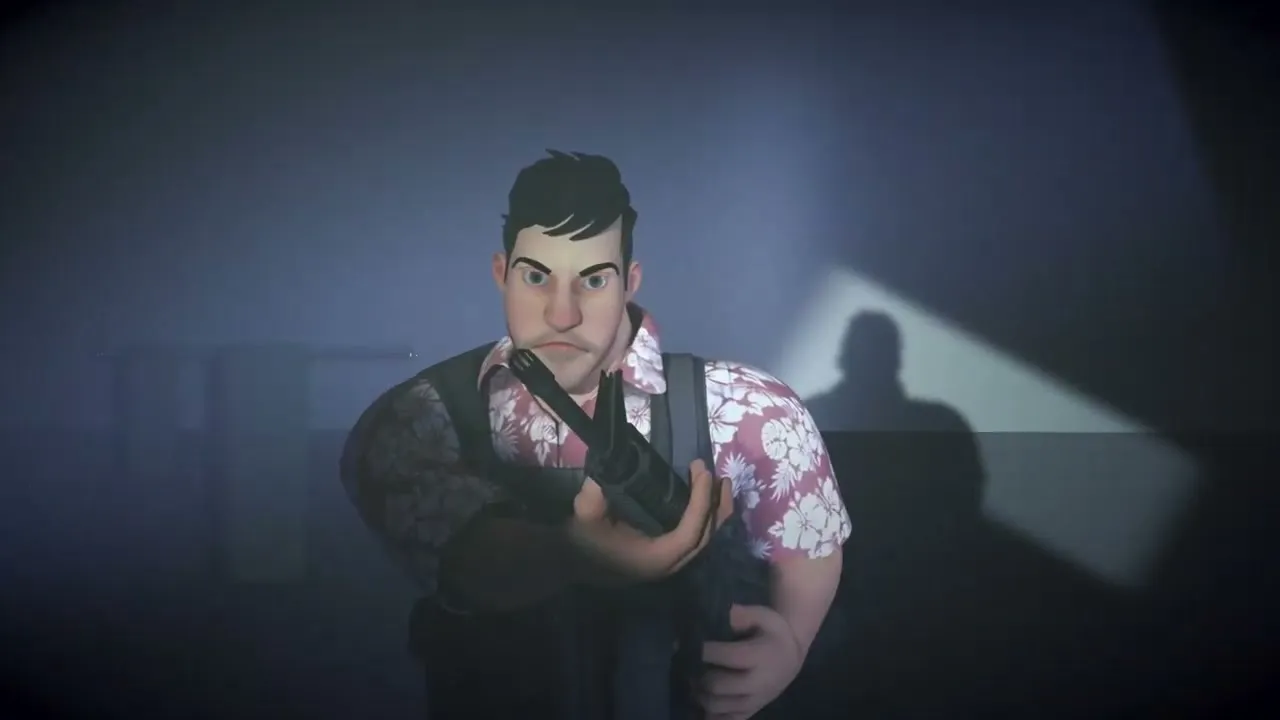
minutes: a 3D animated character and real footage from the internet
01 · The result
“Effective in reducing support for extremism”
PERIL, American University, on the film as an “inoculation”
PERIL recruited 512 U.S. adults through Qualtrics between November 6 and December 20, 2020. They took a survey, watched the full film and took the same survey again.
- Anti-establishment views dropped significantly across the sample.
- Agreement fell with “American citizens need to take matters into their own hands to protect democracy” and with “the US Federal government is taking away the rights of citizens.”
- Trust in social media, forums and personal contacts as news sources fell, and trust in fact-checking websites rose.
- Views of the Boogaloo movement worsened, both as a defender of rights and as a threat to public safety.
note: The study compares before and after, with no control group. Among Republicans and among people who already knew someone in the movement, the change was not significant.

02
The challenge
In 2020 the Boogaloo movement, anti-government groups known for their Hawaiian shirts, was growing on Facebook alongside pandemic disinformation. Its members were already behind violent incidents.
The Bertelsmann Foundation wanted a piece for its educational series on U.S. democracy, and American University’s PERIL lab wanted to test whether a piece like this could change minds. It had to show radicalization without promoting the movement and without preaching.
The Bertelsmann Foundation produced it with input from PERIL, as part of an educational series on U.S. democracy. It is the companion piece to the feature Uncivil War and was released on September 21, 2020, ahead of the election.
03
The decisions
A character, not a sermon
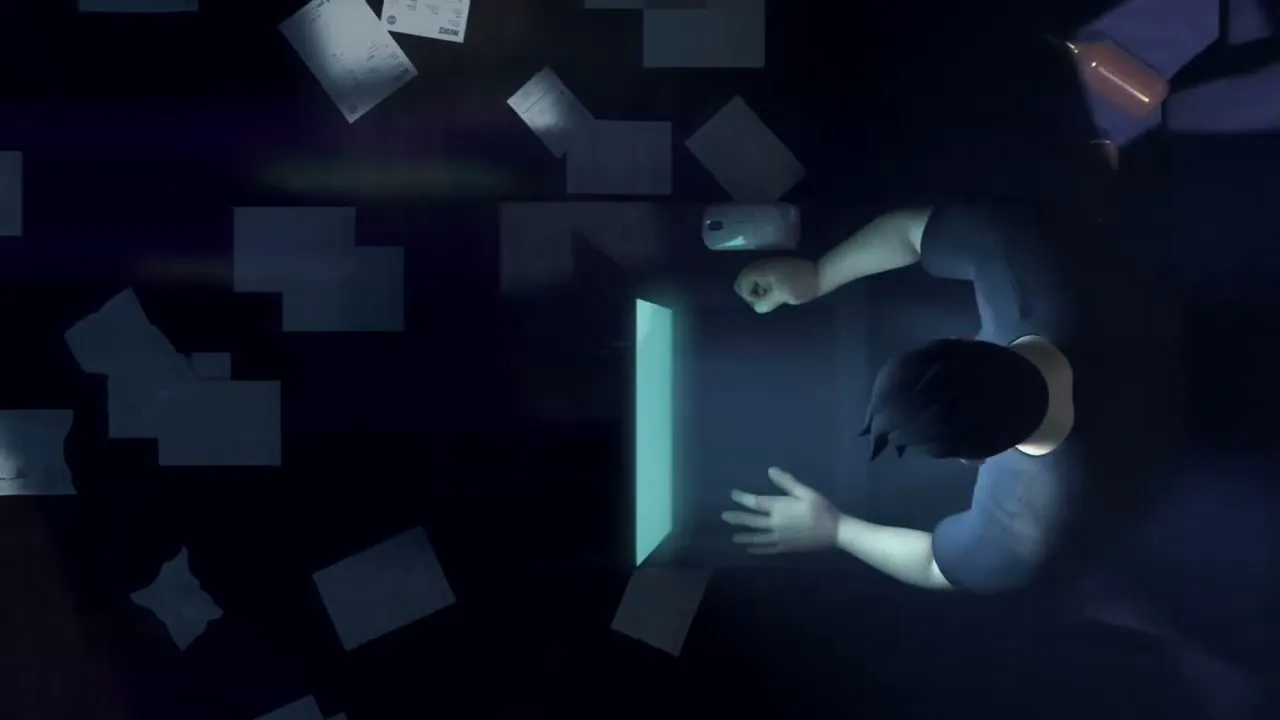
Henry Graves is fictional: an ordinary man who loses his job and finds community online. The narrator doesn’t condemn. It shows what happens to him and lets viewers draw their own conclusions.
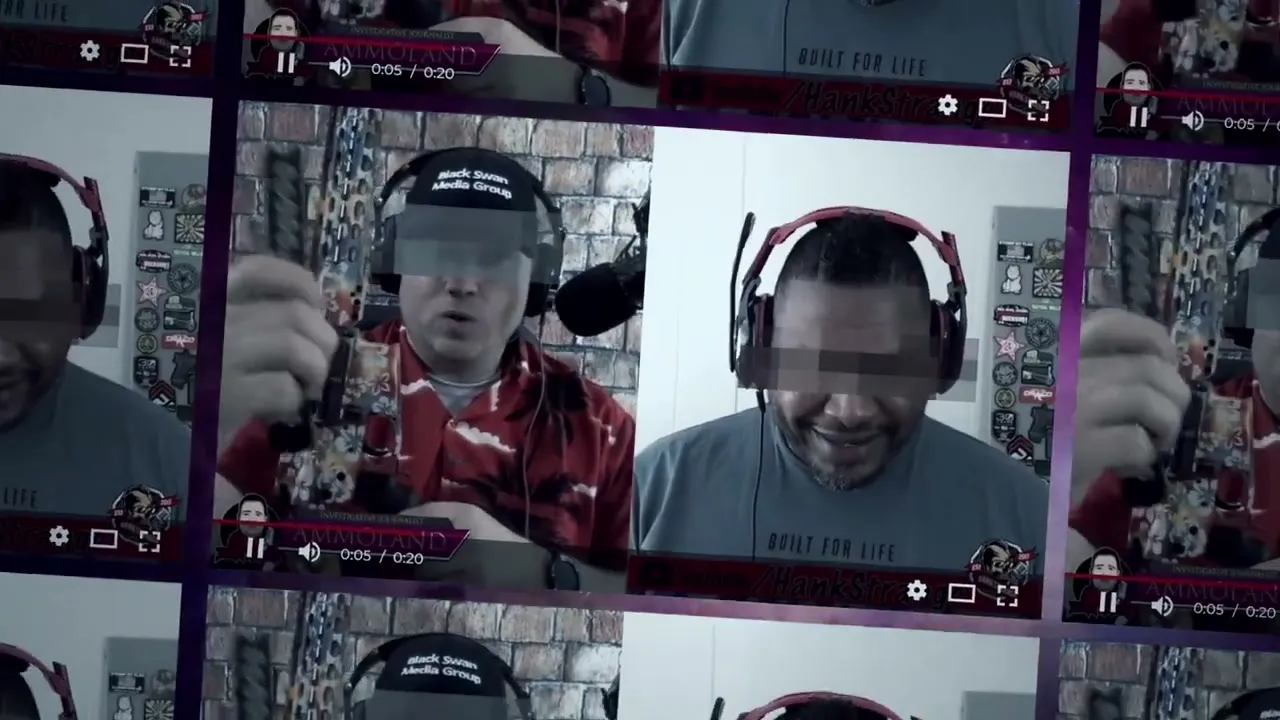
Animation for Henry, real footage for his world
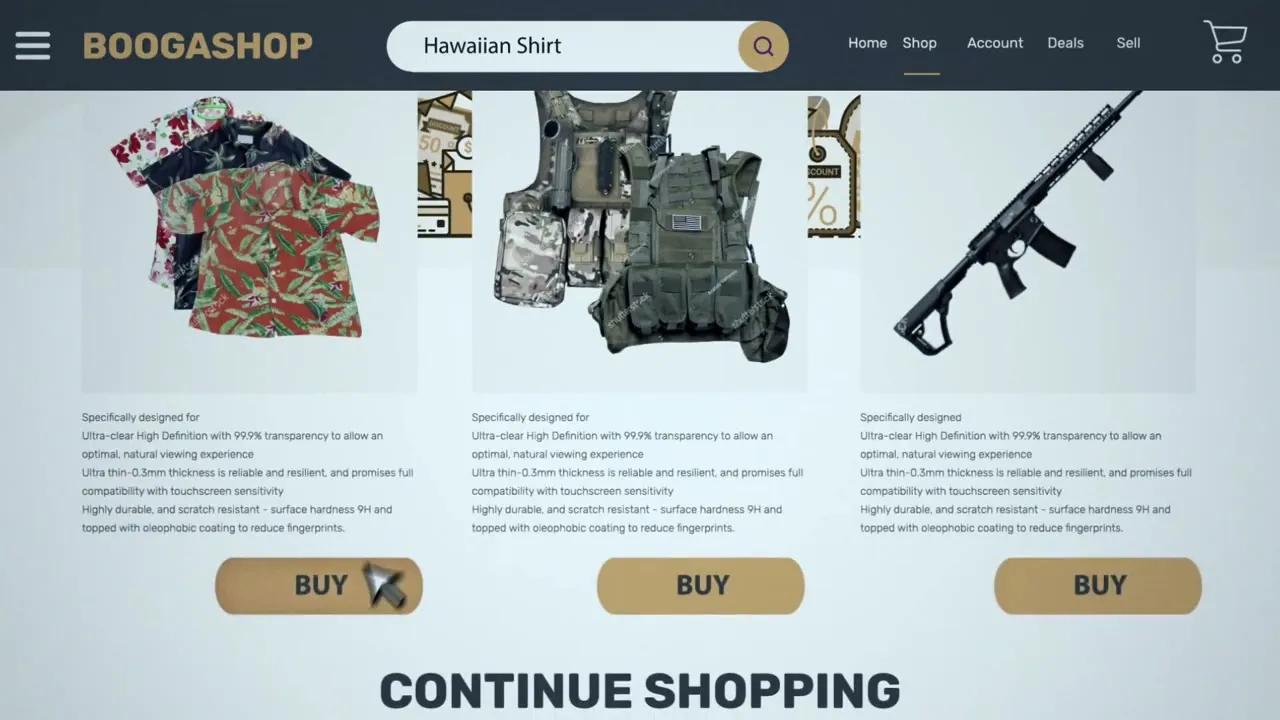
Henry lives in 3D. What he sees online comes from real footage: social media videos and newscasts, with faces blurred. The contrast separates the story from what was actually circulating.
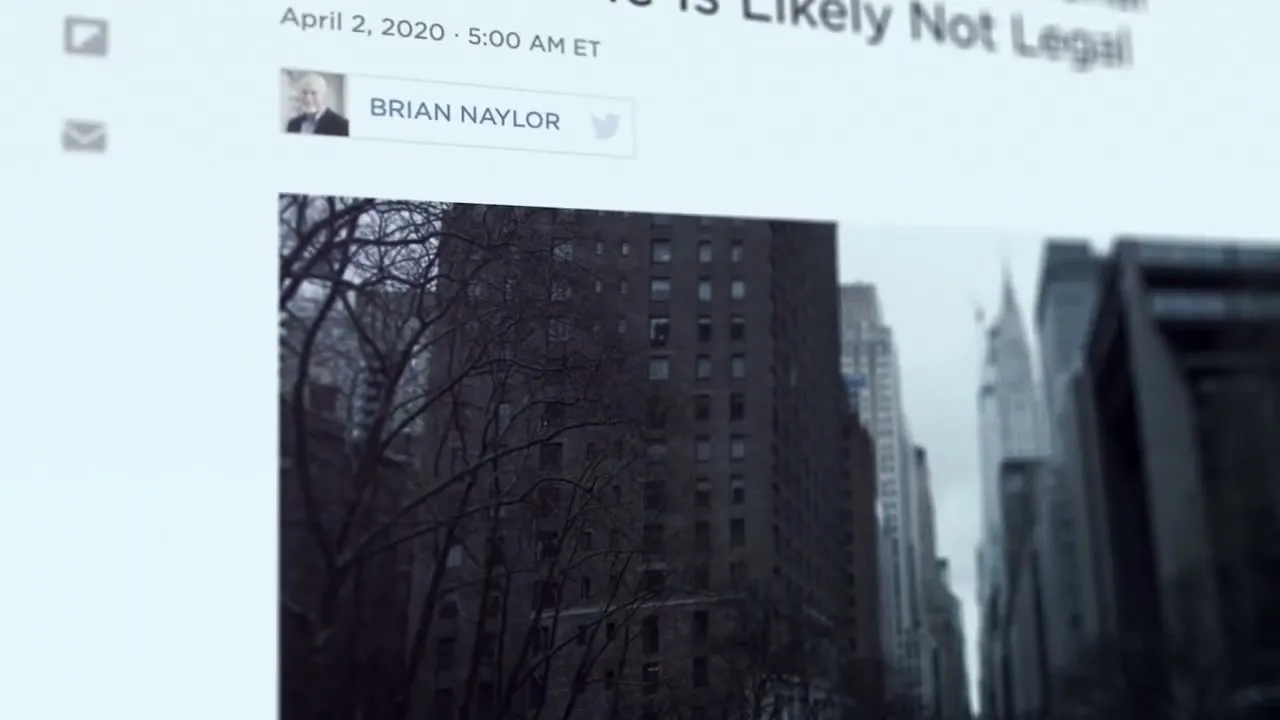
The turn is a fact-check
Henry leaves the movement when he checks his sources on fact-checking sites. That story decision is exactly what the study measured next: who people trust for their news.
04
What it would cost today
At our published rate, a 12-minute film falls in the 6-to-15-minute tier.
12 min × US$1,200 = US$14,400